Single Drawn vs Double Drawn Indian Hair: Which Should You Buy?
Single drawn vs double drawn Indian hair is an important comparison to understand before buying hair extensions for personal use, salon services, or a hair business. Both types are popular, but they differ in thickness, length consistency, appearance, and price. Choosing the right one depends on the hairstyle you want, your budget, and how you plan to use the hair.
Imagine you are ordering Indian human hair extensions for the first time. You want long, natural-looking hair that blends well with your own hair. However, when you compare two products, one looks fuller at the ends while the other has a more natural, tapered shape. This difference often comes down to whether the hair is single drawn or double drawn.
In this guide, you will learn how each type is made, how they compare, and which option may be better for your needs.
What Is Single Drawn Indian Hair?
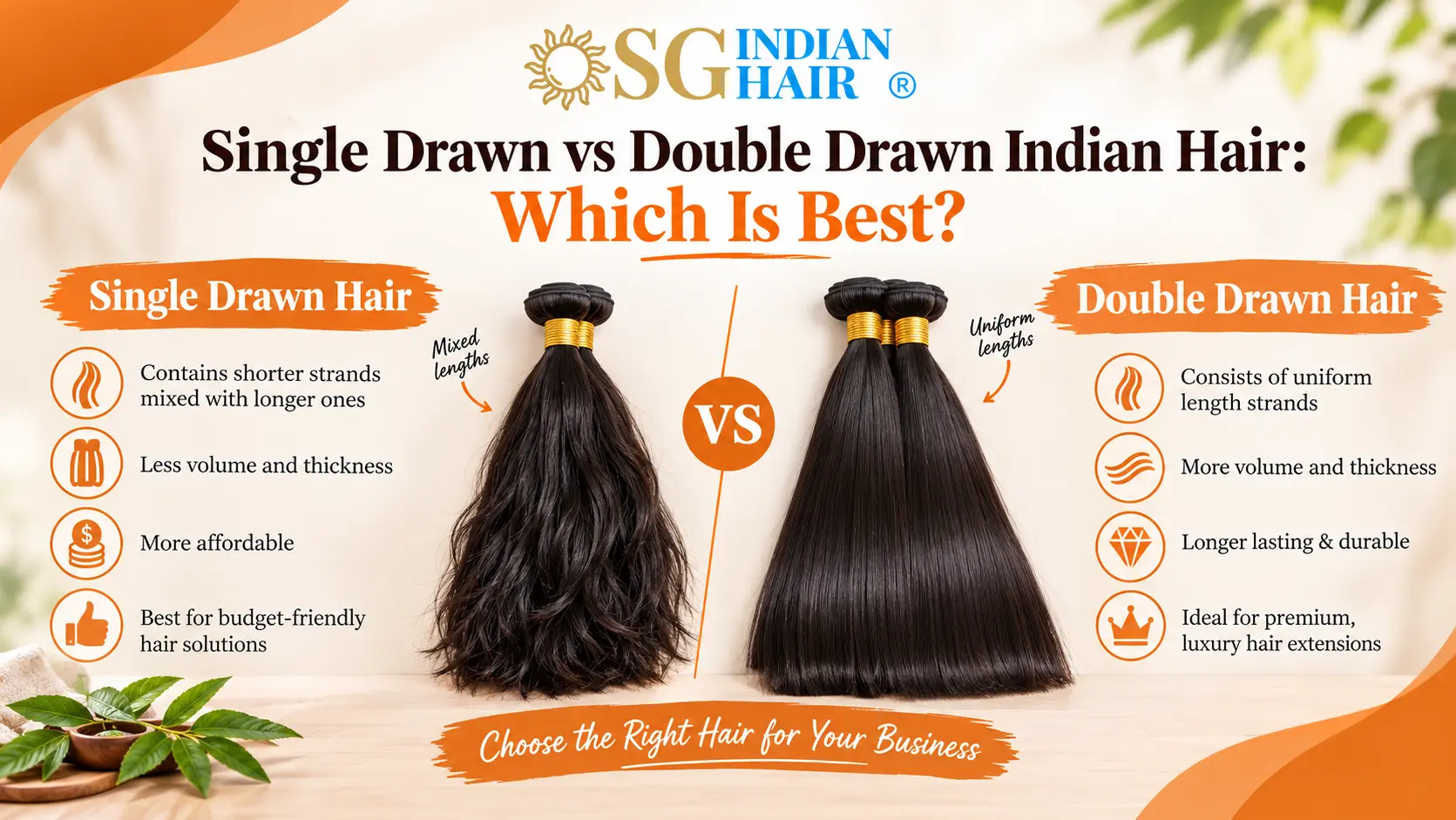
Single drawn Indian hair is collected and processed with a mixture of different hair lengths. The bundle contains longer strands along with shorter strands, giving the hair a naturally tapered appearance from the top to the ends. This blend of lengths helps create a soft, natural look without making the hair appear too thick or heavy at the bottom.
For example, a bundle sold as 18-inch single drawn Indian hair may contain strands of different lengths. Many strands will reach close to the advertised length, while others will be shorter. The exact length distribution depends on the hair supplier and the product. This variation is normal because the hair is collected from natural sources, where individual strands do not all grow to the same length.
One of the main features of single drawn Indian hair is its natural appearance. The shorter strands blend with the longer ones, creating a gradual finish that looks similar to naturally growing hair. This makes single drawn hair a suitable choice for people who prefer a soft, natural hairstyle rather than a thick, full look from the roots to the ends.
Key Features of Single Drawn Hair
Natural-looking ends: The hair usually becomes thinner toward the bottom.
Mixed strand lengths: Shorter and longer strands are present in the same bundle.
Budget-friendly choice: It is generally less expensive than comparable double drawn hair.
Lightweight appearance: It can provide a softer look without too much thickness at the ends.
Suitable for everyday styles: It works well for casual hairstyles, natural layers, and extensions designed to blend with existing hair.
Single drawn India hair is a practical choice if you prefer a natural appearance over a thick, uniform finish. It can also be useful when you want extensions that resemble the natural growth pattern of your own hair. If you are exploring sourcing options, visit our best raw Indian human hair vendors in India to browse available lace closure products for different hairstyles and styling preferences.
What Is Double Drawn Indian Hair?
Double drawn Indian hair is carefully sorted to remove more of the shorter strands, leaving a bundle with a higher proportion of hair close to the advertised length. This gives the hair a fuller look from top to bottom, with thicker ends that make the overall hairstyle appear more even and natural.
For example, when you choose a 20-inch bundle, double drawn hair will generally contain more strands close to 20 inches than a comparable single drawn bundle. This helps create a thicker finish, especially at the ends, where shorter strands are more noticeable in less densely sorted hair.
However, double drawn hair does not mean that every strand is exactly the same length. The final thickness depends on how carefully the hair is sorted, the supplier's quality standards, and the consistency of the raw hair used during processing.
Key Features of Double Drawn Hair
ler Ends: Double drawn Indian hair has more strands close to the advertised length, helping the ends look thicker and less thin.
More Consistent Lengths: The sorting process removes a greater number of shorter strands, creating a more uniform appearance throughout the bundle.
Thick and Natural Appearance: The extra fullness gives hair extensions a rich, healthy look without making the ends appear too sparse.
Higher Price: Double drawn hair often costs more than single drawn hair because additional sorting and processing are required.
Suitable for Different Hairstyles: It works well for blunt cuts, straight hairstyles, voluminous ponytails, and other looks that need fuller ends.
A Good Choice for Hair Extensions: Customers who want a dense finish may prefer double drawn hair for wigs, weaves, and extension installation
Double drawn Indian hair is a popular choice for customers who want fuller extensions with a neat, polished finish. It is particularly suitable for people who prefer thick-looking hair from root to tip rather than extensions that gradually become thinner toward the bottom.
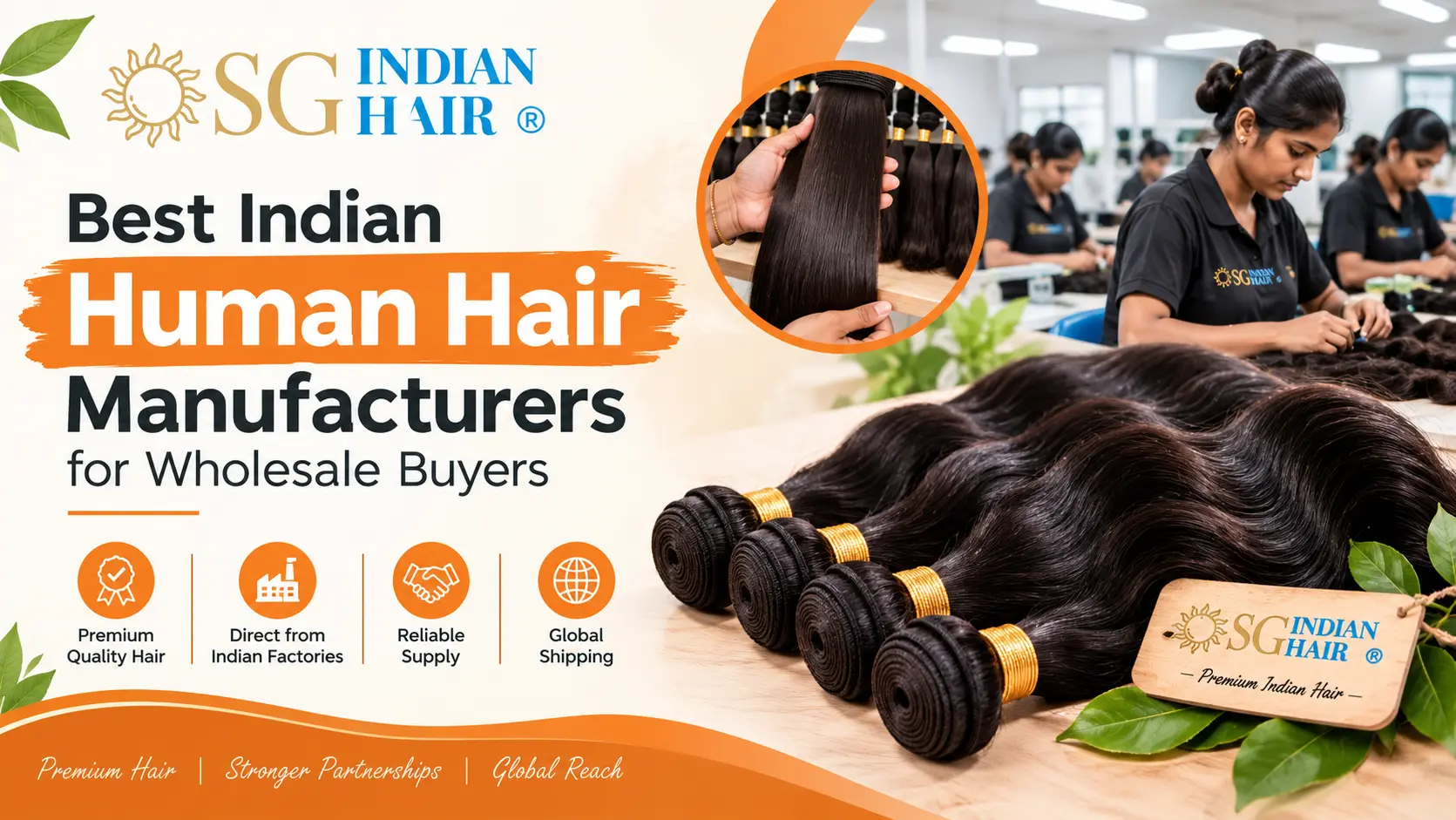
When purchasing double drawn Indian hair in bulk, choosing a reliable supplier is important for maintaining consistent quality and meeting customer expectations. Hair extension retailers, salon owners, and wholesalers should compare available textures, product options, and supplier reliability before making a decision.
If you are looking for the best raw Indian human hair suppliers in India, explore the available product categories to find suitable options for your business and customers.
Working with a dependable supplier can help you source hair extensions that meet your preferred quality standards and support your long-term business needs.
Single Drawn vs Double Drawn Indian Hair: What Is the Difference?
The main difference between single drawn and double drawn hair is the proportion of longer strands in each bundle. Single drawn hair contains a wider range of lengths, while double drawn hair contains more strands close to the advertised length.
Here is a simple comparison to help you decide.
Feature | Single Drawn Hair | Double Drawn Hair |
Strand lengths | Mixed lengths | More strands of similar length |
Appearance | Naturally tapered | Fuller and more uniform |
Ends | Usually thinner | Usually thicker |
Volume | Natural-looking volume | Greater fullness through the ends |
Price | Generally more affordable | Generally more expensive |
Best for | Natural layers and everyday styles | Full, polished hairstyles |
Processing | Usually requires less length sorting | Requires more sorting to remove shorter strands |
When comparing products, do not rely on the label alone. Ask the supplier how they define single drawn and double drawn, what percentage of strands reaches the stated length, and whether the bundle has been chemically processed.
Finding reliable suppliers is equally important when purchasing raw Indian human hair in bulk. Buyers should compare hair quality, sourcing practices, product consistency, and supplier experience before making a decision.
For more information, explore the top raw Indian hair suppliers in India to help identify potential suppliers and evaluate suitable sourcing options for your business.
Taking time to verify supplier details and product specifications can help wholesale buyers make more informed purchasing decisions and build long-term business relationships.
Which Hair Type Looks More Natural?
Both single drawn and double drawn hair extensions can look natural when you choose good-quality hair that blends well with your own. The main difference is how thick the hair looks at the ends and the overall style it creates.
Single drawn hair extensions are a good choice if you prefer soft, natural-looking hair with slightly thinner ends. Since the strands come in different lengths, they create a gentle, layered effect that looks similar to natural hair growth. This style works well for people who want long, flowing hair without too much volume at the bottom.
Double drawn hair extensions are ideal for those who want thicker, fuller ends from top to bottom. They give the hair a more even appearance and are especially suitable for people who love a full, polished hairstyle. When the extensions match your natural hair colour, texture, and density, they can look just as natural as single drawn hair.
Before choosing between single drawn vs double drawn hair, consider the hairstyle you want and how much volume you prefer. If you like soft layers, natural movement, and gently tapered ends, single drawn extensions may be the right option. However, if you want thick ends, a fuller appearance, and a more uniform look, double drawn extensions may suit you better.
Which Is More Affordable?
Price is another important factor to consider when choosing between single drawn hair and double drawn hair.
Single drawn hair is usually more affordable because it contains a natural mix of different hair lengths. Some strands are shorter, while others are longer, giving the hair a natural, slightly uneven finish. It is a good choice for buyers who want natural-looking hair extensions at a reasonable price without spending too much.
Double drawn hair generally costs more because the hair goes through extra sorting to remove many of the shorter strands. This process creates a fuller look from the top to the ends, making the bundles appear thicker and more even. For salons, hair extension brands, and wholesale buyers, double drawn hair can be a suitable option when customers prefer a fuller finish.
However, a higher price does not always mean better quality. Factors such as hair origin, cuticle condition, processing methods, texture, length, and the supplier's quality standards can all affect the final cost. Two bundles with the same length and texture may have different prices depending on how the hair is collected, sorted, and prepared for sale.
Before placing an order, compare single drawn and double drawn hair of the same length, texture, and quality grade. Ask the supplier for clear photographs or videos of the bundles, especially the ends, so you can see how thick the hair remains along its full length. It is also worth checking the hair's shedding, tangling, and return policies before making a purchase.
Best Indian Hair for Hair Extensions: Which Should You Choose?
The best India hair for hair extensions depends on your desired look, budget, and styling needs. There is no single option that works best for everyone.
Choose Single Drawn Hair If You Want a Natural Finish
Single drawn hair may be the better choice if you:
Prefer softly tapered ends.
Want a natural, layered hairstyle.
Need a more affordable extension option.
Like lightweight-looking styles.
Want to add length without making the ends appear overly thick.
Single drawn India human hair extensions can work well for everyday wear, natural-looking length, and hairstyles where a softer finish is important.
Choose Double Drawn Hair If You Want Fuller Ends
Double drawn hair may be the better choice if you:
Prefer thick hair from top to bottom.
Want fuller-looking ponytails or long hairstyles.
Like blunt cuts and a more uniform finish.
Need a dense appearance for styling or special occasions.
Are comfortable paying more for a fuller bundle.
Double drawn India human hair extensions are particularly suitable for customers who want volume at the ends without adding as many separate bundles to achieve their desired look. The amount needed will still depend on the length, weight, installation method, and desired density.
For buyers looking for different hair extension options, understanding the differences between single drawn and double drawn hair can help them choose products that match their customers' styling preferences and budget. Working with a reliable supplier also helps businesses explore suitable hair products for their target market.
If you are looking for hair products for your business, explore our Indian hair manufacturer and supplier collection to discover single drawn hair options for different styling needs.
Comparing available hair types, lengths, and textures can help salon owners, retailers, and wholesale buyers select products that meet their customers' expectations.
What Should Salon Owners and Wholesale Buyers Consider?
If you own a salon, sell hair extensions, or purchase hair in bulk, it is important to understand your customers' needs before choosing a product. Every customer has different expectations when it comes to hair quality, appearance, thickness, and price. Some prefer affordable extensions that offer a natural look for everyday use, while others want thick ends, a fuller appearance, and a premium finish for special occasions or professional styling. Keeping both options available can help you reach more customers and serve different budgets and styling preferences.
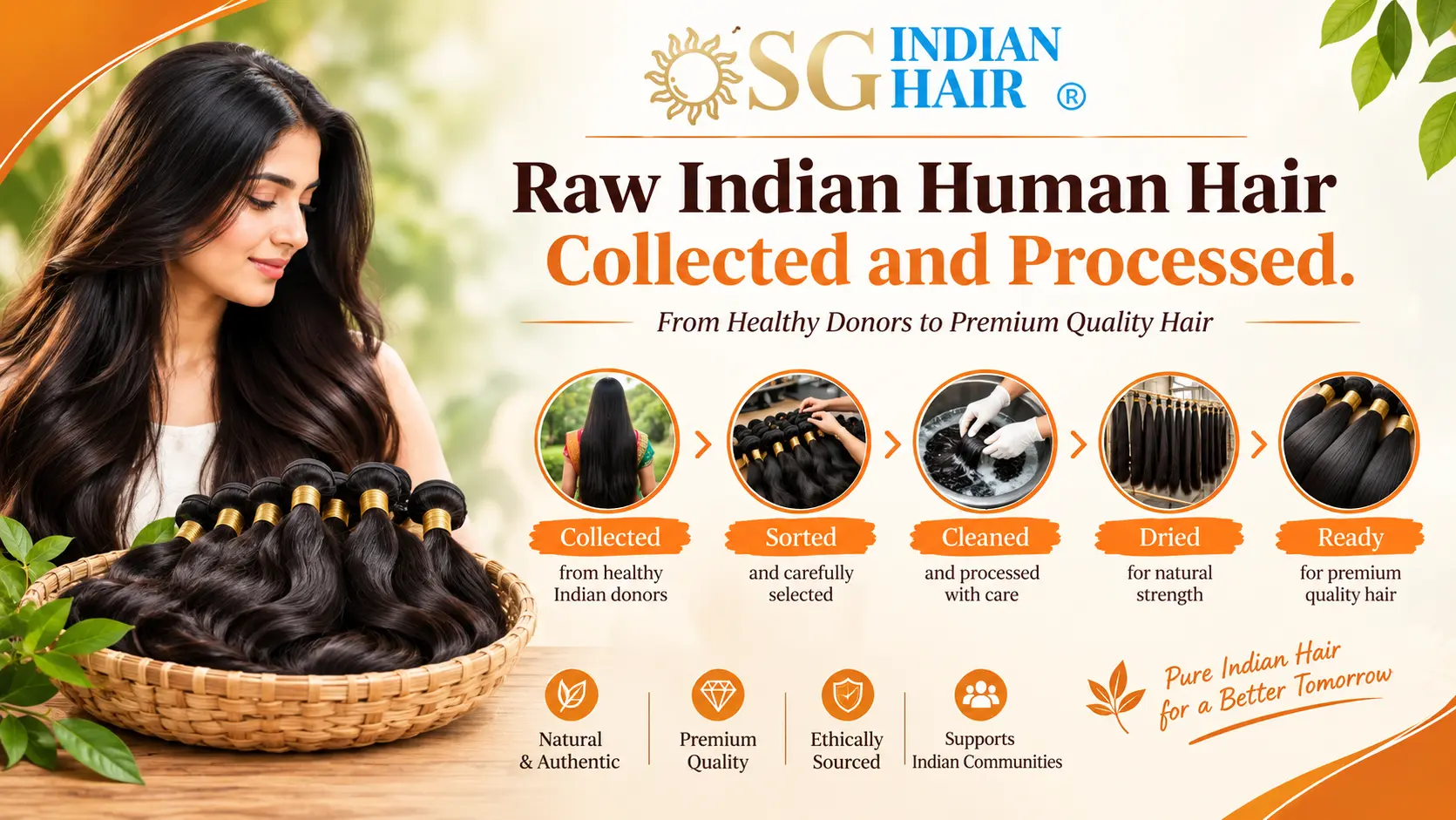
Before placing a wholesale order, always request samples and check the hair quality yourself. Confirm the advertised length, examine the ends, and look at the overall thickness, texture, and condition of the hair. It is also worth asking the supplier about the hair's origin, whether it has undergone chemical processing, and how it has been prepared before sale. These details can help you understand what you are buying and whether the product meets your business requirements.
You should also consider whether the supplier can maintain the same quality across repeat orders. Consistent hair quality, reliable communication, and clear product information are important when building long-term relationships with customers. A product that looks good in the first order may not be suitable for your business if the next shipment has different lengths, thinner ends, or a noticeably different texture.
Although a lower price may seem attractive at first, poor hair quality or inconsistent products can lead to customer complaints, returns, and lost sales. Instead of choosing a supplier based on price or product labels alone, compare the actual hair quality, appearance, durability, and suitability for your target market. Taking time to check these factors before buying wholesale can help you make better purchasing decisions, maintain customer trust, and build a more reliable hair extension business.
How to Care for Single Drawn and Double Drawn Hair
Both single-drawn and double-drawn hair extensions need proper care to keep them looking natural, smooth, and healthy for as long as possible. Although they differ in thickness and length distribution, neither type is automatically more durable than the other. The lifespan of each type depends on the quality of the original hair, the processing methods used, and how well the extensions are maintained.
Wash the extensions with a gentle shampoo and apply a suitable conditioner to keep the hair soft and manageable. When detangling, start at the ends and slowly work your way up towards the roots. Use a wide-tooth comb or a suitable hairbrush, and avoid pulling or brushing too hard, as this can lead to unnecessary breakage and hair loss. Take extra care when the hair is wet because it can be more vulnerable to damage.
Heat styling should also be kept to a minimum. If you regularly use straighteners, curling irons, or blow dryers, apply a heat protectant before styling and use a moderate temperature. When the extensions are not in use, store them in a clean, dry place away from direct sunlight, dust, and moisture. Always follow the care instructions provided by your hair extension supplier, as different hair types and processing methods may require slightly different care routines.
For people who wear hair extensions regularly, gentle washing, careful detangling, and proper storage can help reduce tangling, dryness, and breakage. Avoid using too many styling products, as product buildup can make the hair feel heavy and difficult to manage. With consistent care, both single-drawn and double-drawn hair extensions can maintain their appearance and remain suitable for repeated use. However, their actual lifespan will depend on the original hair quality, the level of processing, the installation method, and how frequently they are worn, washed, and styled.
Final Verdict: Single Drawn or Double Drawn Indian Hair?
When comparing single drawn vs double drawn Indian hair, your personal styling goals should guide the decision.
Choose single drawn hair if you prefer natural-looking layers, tapered ends, and a more affordable price. Choose double drawn hair if you want fuller ends, greater length consistency, and a thicker overall appearance.
Before purchasing, check the actual bundle, compare the advertised length with the strand distribution, and ask the supplier about quality and processing. A well-chosen product should suit your hairstyle, budget, and maintenance routine.
The right hair extension is not necessarily the most expensive one. It is the one that gives you the appearance you want while meeting your expectations for quality and value.
Frequently Asked Questions
1. What is the main difference between single drawn and double drawn hair?
The main difference between single drawn and double drawn hair is the proportion of long strands in the bundle. Single drawn hair contains more mixed lengths and usually has tapered ends, while double drawn hair contains a greater proportion of strands close to the advertised length, creating a fuller finish.
2. Is single drawn Indian hair good for everyday use?
Yes, single drawn India hair can be a good option for everyday use if you want natural-looking extensions with softly tapered ends. Its appearance can blend well with layered hairstyles, although the final result depends on the hair quality and how well the extensions match your own hair.
3. Is double drawn Indian hair worth the higher price?
Double drawn India hair may be worth the higher price if you want fuller ends and a more uniform hairstyle. It can be especially useful for blunt cuts and voluminous looks. Compare the actual strand lengths, hair quality, and supplier standards before deciding whether the extra cost is justified.
4. Which is the best Indian hair for hair extensions?
The best India hair for hair extensions depends on your desired hairstyle and budget. Single drawn hair is suitable for natural, tapered looks, while double drawn hair is generally better for fuller ends. Hair quality, processing, texture, and proper matching are also important factors.
5. How can I choose between single drawn Indian human hair extensions and double drawn Indian human hair extensions?
Choose single drawn Indian human hair extensions if you prefer a natural taper and a budget-friendly option. Choose double drawn Indian human hair extensions if you want thicker ends and more consistent strand lengths. Ask the supplier for bundle photographs, length details, and care instructions before purchasing.