What Is Indian Temple Hair? A Complete Guide for Hair Buyers
Indian temple hair is a popular choice for hair extension businesses, wig makers, salons, and wholesale buyers looking for natural human hair. It is collected through hair donation practices at temples in India and can be used to create different types of hair products. If you are planning to buy hair for your salon or hair business, understanding its source, quality, processing, and market value can help you make a better decision.
Imagine you run a hair extension business and want to offer customers natural-looking extensions that are easy to style and blend with their own hair. You need a product that meets your quality standards and gives your customers a good experience. This is where understanding Indian temple hair becomes important. Before placing a wholesale order, you should know how the hair is collected, how it is processed, and what to check when choosing a supplier.
When sourcing temple hair for your business, it is important to work with a supplier that offers suitable products and understands the needs of wholesale buyers. Comparing product options and checking quality standards can help you choose hair that matches your customers' expectations.
If you are looking for reliable sourcing options, explore our best raw Indian human hair vendors in India to learn more about Indian human hair products and wholesale supply opportunities.
Choosing the right supplier can help your business maintain product consistency, serve customers effectively, and build long-term relationships in the hair industry.
What Is Indian Temple Hair?
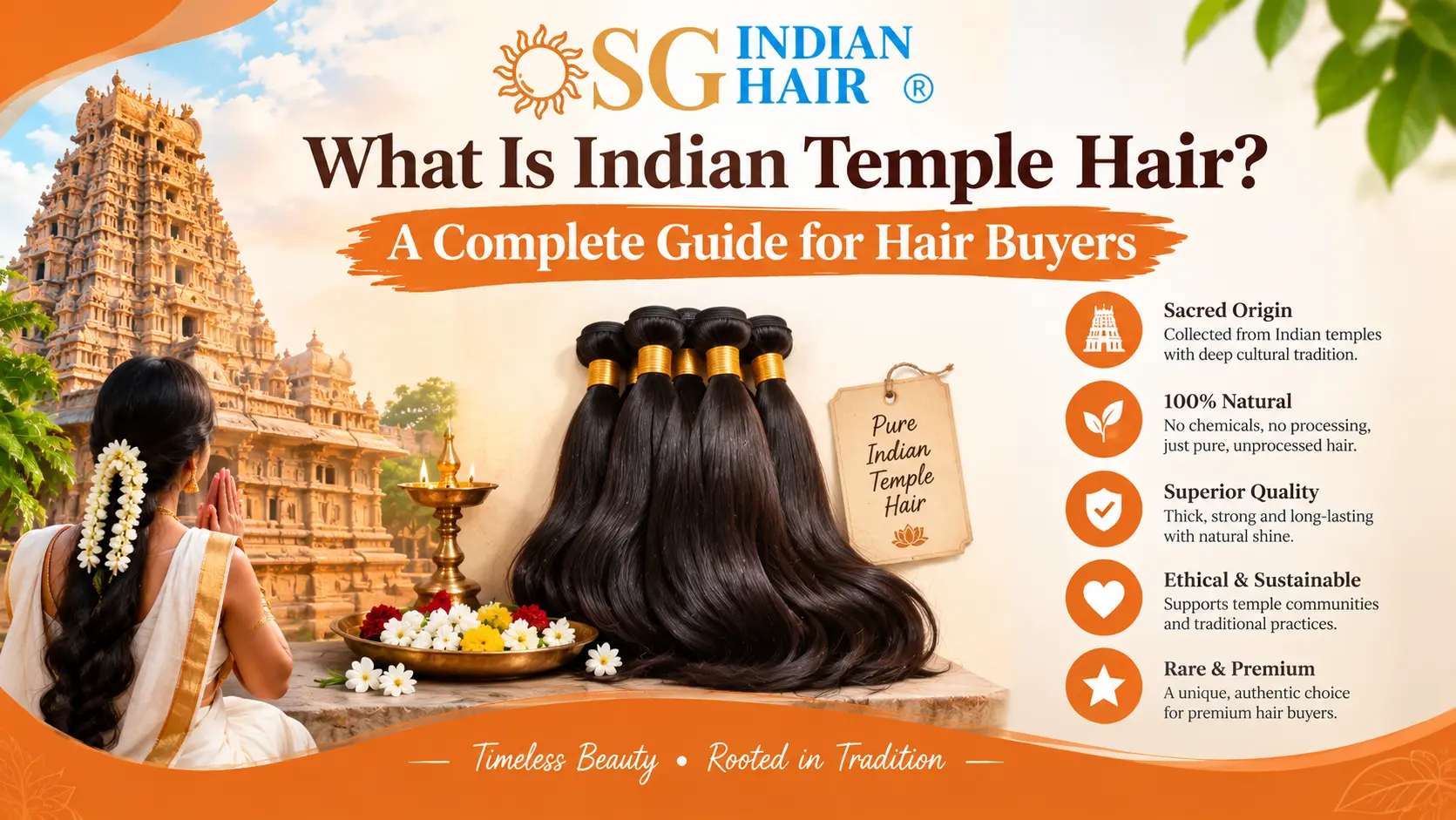
Indian temple hair refers to human hair collected through religious donation practices at temples in India. Many devotees offer their hair as part of a religious tradition. This hair may later enter commercial markets through authorized collection and processing channels.
After collection, the hair is sorted, cleaned, and prepared for different uses, including wigs, hair extensions, and other hair products. The quality of the final product depends on several factors, such as the condition of the original hair, how it is handled, and the amount of processing it receives.
For buyers, the main attraction is its natural origin. Properly selected and processed temple hair can provide a natural appearance and can be suitable for different hairstyles. However, not every batch has the same length, texture, or quality, so checking the product before buying is important.
If you are planning to purchase Indian temple hair for your salon, hair extension business, or wholesale operations, choosing a reliable supplier is an important step. Compare hair quality, sourcing practices, product consistency, and customer feedback before making a decision.
To explore a supplier's location and business details, you can use this resource for best raw Indian human hair suppliers in India. It may help you find relevant business information when researching potential suppliers.
Taking time to verify supplier credentials and product quality can help you make a more informed purchasing decision.
How Is Indian Temple Hair Collected and Processed?
Understanding how temple hair is collected and processed can help wholesale buyers choose the right products and avoid confusion when comparing suppliers. While the exact method may differ from one supplier to another, temple hair usually goes through several stages before it is ready for sale.
1. Hair Collection
Temple hair comes from devotees who shave or donate their hair as part of religious traditions. Temple authorities or authorised collection partners may collect and handle the hair before it enters the commercial supply chain. The way hair is collected and stored can affect its condition, so buyers should ask suppliers about the source of their products.
2. Sorting and Separation
After collection, the hair is sorted by length, texture, condition, and other quality requirements. Manufacturers separate suitable hair for different uses, such as hair extensions, wigs, and other hair products. Proper sorting helps suppliers maintain more consistent quality and makes it easier for wholesale buyers to select products that meet their customers' needs.
3. Cleaning and Preparation
Before further processing, the hair is cleaned to remove dirt, dust, and unwanted material. The preparation method depends on the condition of the collected hair and the type of product being manufactured. Buyers should ask whether the hair has undergone additional treatments, especially when they are looking for natural-looking extensions with minimal chemical processing.
4. Processing and Manufacturing
Once the hair has been cleaned and prepared, manufacturers turn it into products such as bundles, wefts, wigs, and hair extensions. Some temple hair is kept close to its natural condition, while other products may be dyed, treated, or styled according to customer requirements. These differences can affect the hair's appearance, texture, durability, and price.
For UK businesses looking to source hair products in bulk, choosing the right product type is an important step. Single drawn hair is one option worth considering, especially for buyers who want hair bundles with naturally varied strand lengths.
Explore our Raw Indian Human Hair Vendor for UK Buyers to learn more about available single drawn hair products for your wholesale requirements.
For wholesale buyers, understanding the manufacturing process is an important part of choosing a reliable supplier. Before placing a bulk order, ask about the hair's origin, cleaning methods, chemical treatments, available lengths, and quality checks. Clear information about these steps can help you compare products fairly, set the right expectations for your customers, and make better purchasing decisions.
Why Do Buyers Choose Indian Temple Hair?
Many hair businesses choose temple hair because it comes from a natural source and can be used to make different types of human hair products. When the hair is collected, sorted, and processed properly, it can offer several benefits for wholesalers, salon owners, and hair extension brands.
Natural Appearance: High-quality temple hair can look natural and blend well with a customer's own hair when the colour, texture, and length are carefully matched. This makes it a suitable option for salons and hair extension businesses that want to provide realistic-looking results to their customers.
Styling Flexibility: Depending on its original condition and the processing it undergoes, temple hair may be suitable for straightening, curling, and other styling methods. Buyers should check the supplier's care instructions and product specifications to understand how the hair should be handled and maintained.
Different Product Options: Temple hair can be used to manufacture a wide range of human hair products, including hair extensions, wigs, and other hairpieces. This allows manufacturers and wholesalers to offer different lengths, textures, and styles to meet the needs of salons, retailers, and individual customers.
Wholesale Business Opportunities: For hair wholesalers and extension brands, temple hair can be a useful option when developing a product range for bulk buyers. Businesses can select suitable hair products based on their target market, customer preferences, and quality requirements before supplying them to salons, beauty stores, and online retailers.
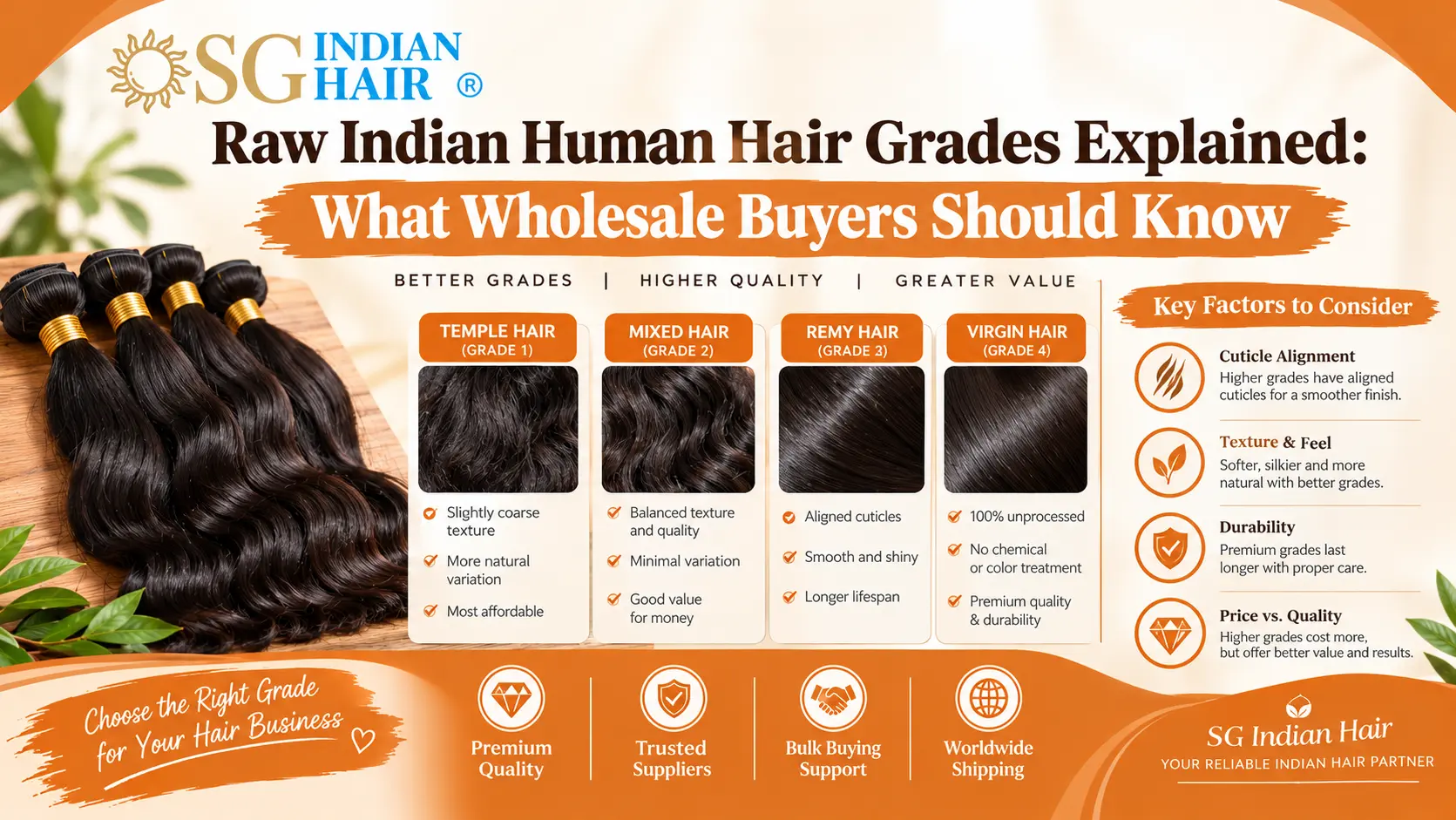
However, temple origin alone does not guarantee premium quality. The actual quality of the hair depends on its condition, cuticle alignment, sorting, processing methods, and manufacturing standards. Before purchasing temple hair in bulk, buyers should carefully check the hair quality, available specifications, and supplier's quality control process to make a suitable decision for their business.
For African hair businesses, choosing the right hair products is equally important when meeting different customer needs. Wholesale buyers, salon owners, and hair extension retailers should consider product quality, natural appearance, and styling requirements before placing bulk orders.
If you are exploring hair products for your business, you can browse our Raw Indian Human Hair Supplier for Africa collection to discover lace closures that may suit different hairstyles and hair extension applications.
Comparing available products and specifications can help you select suitable options for your customers and make more informed purchasing decisions.
What Are Indian Temple Hair Extensions Used For?
Indian temple hair extensions are a popular choice for people who want to add length, volume, or a fresh look to their natural hair. They are also widely used by salons, hairstylists, and hair extension businesses that need quality human hair for their customers. Depending on the intended use, Indian temple hair can be made into different products to suit personal styling needs and professional requirements.
Common types of hair extensions made from Indian temple hair include:
Hair Weft Extensions: Hair strands are carefully attached to a sewn or machine-made weft, making them suitable for salon installations and customers looking for fuller, longer hair.
Clip-In Hair Extensions: These extensions come with clips that allow users to attach and remove them easily without permanent installation, making them a convenient option for temporary styling.
Tape-In Hair Extensions: These hair pieces use specially designed adhesive tabs to attach to natural hair, providing a neat and natural-looking finish when properly installed.
Keratin or Pre-Bonded Hair Extensions: Small sections of human hair are prepared with bonding material for professional application, allowing hairstylists to add length and volume with individual strands.
Wigs and Custom Hairpieces: Indian temple hair can also be used to manufacture human hair wigs and customised hairpieces for everyday wear, special occasions, and different styling requirements.
The availability of these products depends on the supplier and the manufacturing process. Before placing a bulk order, salons, wholesalers, and hair extension businesses should confirm the available hair lengths, textures, colors, quality grades, and product construction. This helps buyers choose Indian temple hair extensions that match their customers' needs and business requirements.
For hair businesses across Europe, working with a suitable supplier can make it easier to source products that meet customer expectations. Buyers should compare hair quality, available lengths, and consistency before selecting products for wholesale orders.
If you are sourcing hair products for your business, explore our Raw Indian Human Hair Vendor for Europe page to browse double-drawn human hair options for different business needs.
Reviewing product specifications and confirming order requirements with your supplier can help you make more informed purchasing decisions.
Is Indian Temple Hair 100% Human Hair?
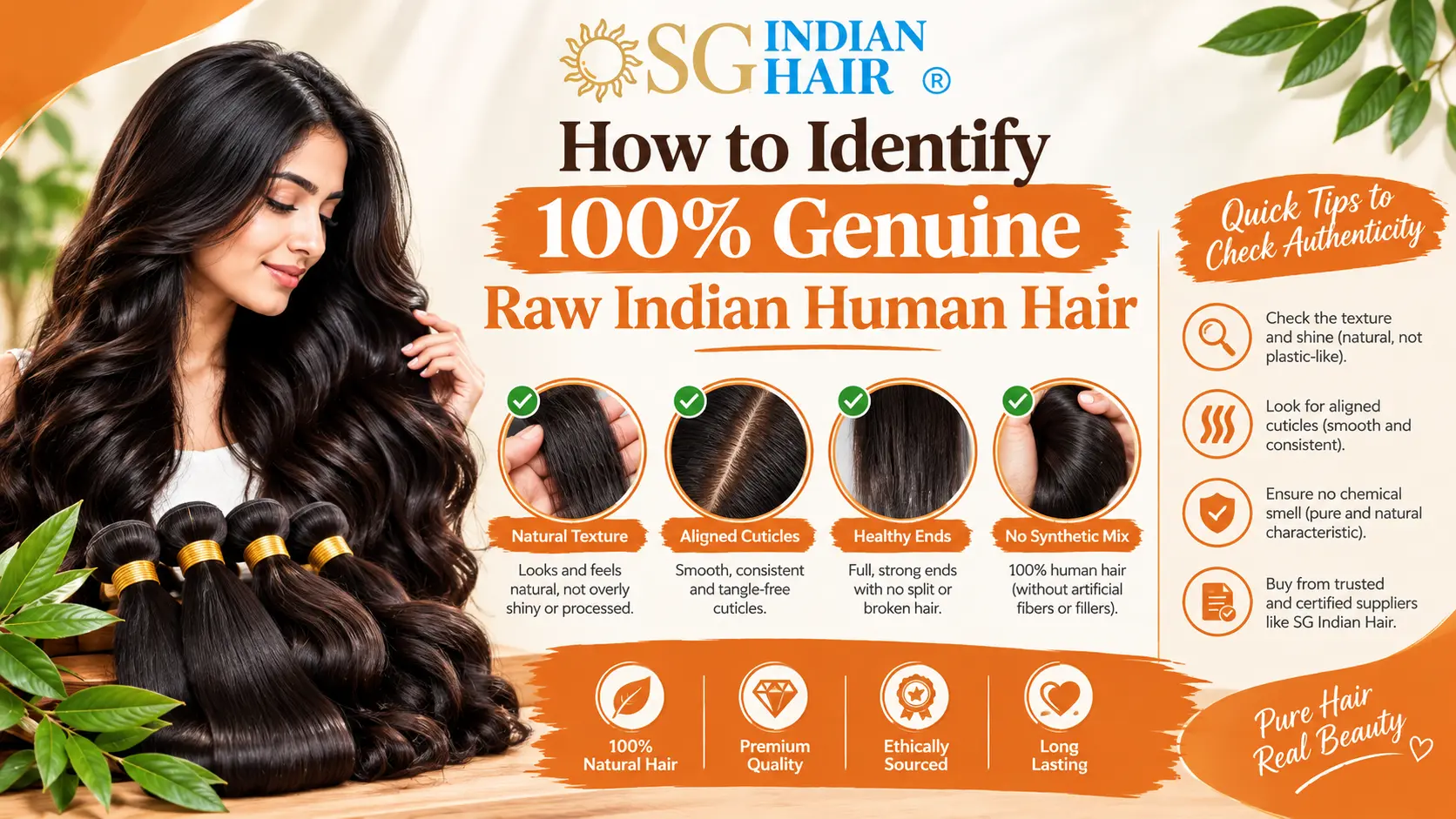
Indian temple hair can be 100% human hair because its original source is human hair donated at temples. However, buyers should not assume that every product marketed as temple hair is automatically pure human hair.
Some finished products may contain blended fibers, while others may undergo chemical treatments or coloring. These differences can affect appearance, styling performance, durability, and price.
If you are asking, “Is Indian temple hair 100% human hair?”, the most useful answer is to verify the specific product rather than relying only on its name.
Before purchasing, ask the supplier to confirm the following:
Whether the product contains 100% human hair or a blend.
Whether the hair has been dyed, bleached, or chemically treated.
Whether the hair is sold as raw, minimally processed, or finished hair.
Whether samples are available for inspection.
What quality checks are performed before dispatch.
For large orders, a sample can help you examine softness, shedding, tangling, texture consistency, and other important features before committing to a full shipment.
How to Choose an Indian Temple Hair Supplier
Choosing the right Indian temple hair supplier is an important step for any business buying hair in bulk. A supplier should be able to explain the product clearly and provide consistent communication throughout the order process.
Start by checking the supplier's product range. Look for clear information about hair length, texture, origin, processing, available quantities, and packaging. If the supplier cannot explain these details, it may be difficult to compare the product fairly with other offers.
Next, request samples whenever possible. A sample allows you to check the hair's condition and determine whether it meets your customers' expectations. You should also ask about minimum order quantities, production lead times, payment terms, shipping arrangements, and policies for handling quality issues.
Price is another factor, but the lowest quote is not always the best option. Hair that looks affordable initially may lead to customer complaints if it sheds excessively, tangles easily, or differs from the sample.
A reliable supplier should provide clear answers and realistic expectations. Building a long-term relationship with a supplier that understands your requirements can make inventory planning easier and help maintain product consistency.
What to Look for in an Indian Temple Hair Manufacturer
An Indian temple hair manufacturer may handle several stages of production, from sorting and grading to preparing finished extensions. Understanding the manufacturer's capabilities can help you decide whether the business is suitable for your order size and product requirements.
Ask whether the manufacturer produces hair in-house or purchases finished products from other sources. This distinction can help you understand how much control the company has over processing and quality checks.
You should also discuss customization. Some businesses require specific lengths, textures, colors, or packaging for their own brand. Confirm which options are available, the minimum quantities for customized orders, and the additional production time involved.
If you plan to purchase regularly, ask how the manufacturer maintains consistency between batches. Clear specifications and written order details can reduce misunderstandings and make repeat orders easier.
Indian Temple Hair for International Buyers
Indian temple hair for international buyers can be a suitable option for businesses importing human hair products for salons, distributors, retailers, and online stores. However, international purchasing requires more planning than a local order.
Before placing an overseas order, confirm the product specifications, total cost, shipping method, estimated delivery time, and payment terms. Request an invoice and appropriate commercial documents, and check the import requirements that apply in your country.
Buyers should also understand the difference between the product price and the landed cost. The final expense may include international shipping, insurance, customs duties, taxes, brokerage charges, and local delivery fees.
For a first order, starting with samples or a smaller quantity can help you evaluate product quality and communication before investing in a larger shipment. Once the supplier meets your standards, you can discuss regular orders and longer-term purchasing arrangements.
Good communication is particularly important when you are buying from another country. Make sure both parties agree on the exact product description, quality expectations, packaging, and process for resolving problems before payment and dispatch.
Contact SG Indian Hair
Looking for quality Indian human hair for your salon, hair extension business, or wholesale requirements? Contact SG Indian Hair to learn more about available products, hair textures, lengths, and bulk purchasing options. Our team can help you explore suitable hair solutions based on your business needs.
Final Thoughts
Indian temple hair offers opportunities for hair extension brands, salons, manufacturers, and wholesale buyers who want products made from human hair collected through temple donation practices. Its suitability depends on the condition of the hair, processing methods, manufacturing standards, and the reliability of the supplier.
If you are planning to buy it for your business, take time to compare samples, ask detailed questions, and understand the complete cost before placing an order. A careful approach can help you select products that suit your customers and build a more dependable hair business over time.
Frequently Asked Questions
1. What is Indian temple hair, and where does it come from?
Indian temple hair is human hair collected through religious donation practices at temples in India. It is sorted and processed for use in products such as hair extensions, wigs, and hairpieces. The final quality depends on the hair's condition and how it is handled.
2. Are Indian temple hair extensions suitable for everyday use?
Indian temple hair extensions can be suitable for everyday use when they are made from good-quality hair and installed correctly. Their lifespan depends on processing, installation, styling habits, and maintenance. Following the supplier's care instructions can help maintain their appearance.
3. How can I verify an Indian temple hair supplier before ordering?
Check the supplier's business details, product specifications, sample quality, pricing, communication, and shipping policies. Ask for written confirmation of the hair type and processing methods. For a large order, testing a sample before purchasing in bulk is a sensible step.
4. What should I ask an Indian temple hair manufacturer before buying wholesale?
Ask about minimum order quantities, available lengths and textures, processing methods, quality checks, customization, production time, and payment terms. You should also confirm how the manufacturer handles quality differences or problems with an order.
5. What should I know about Indian temple hair for international buyers?
International buyers should check product quality, shipping costs, customs requirements, taxes, documentation, and delivery timelines. Request samples when possible and calculate the total landed cost before placing a large order. Clear written specifications can help prevent misunderstandings.