Raw Indian Hair vs Virgin Indian Hair: What Is the Difference?
If you are comparing raw Indian hair vs virgin Indian hair, you may notice that both types are often described as natural, high-quality, and suitable for wigs and extensions. But they are not exactly the same. The way the hair is collected, sorted, processed, and sold can be different, and these details can affect how the hair looks, feels, lasts, and fits your business needs.
Imagine you are choosing hair for a new wig business. Two suppliers show you beautiful Indian hair, and both claim that their products are 100% natural. One says it is raw hair, while the other calls it virgin hair. At first, the difference may seem small. However, understanding the details can help you make a much better buying decision.
What Is Raw Indian Hair?
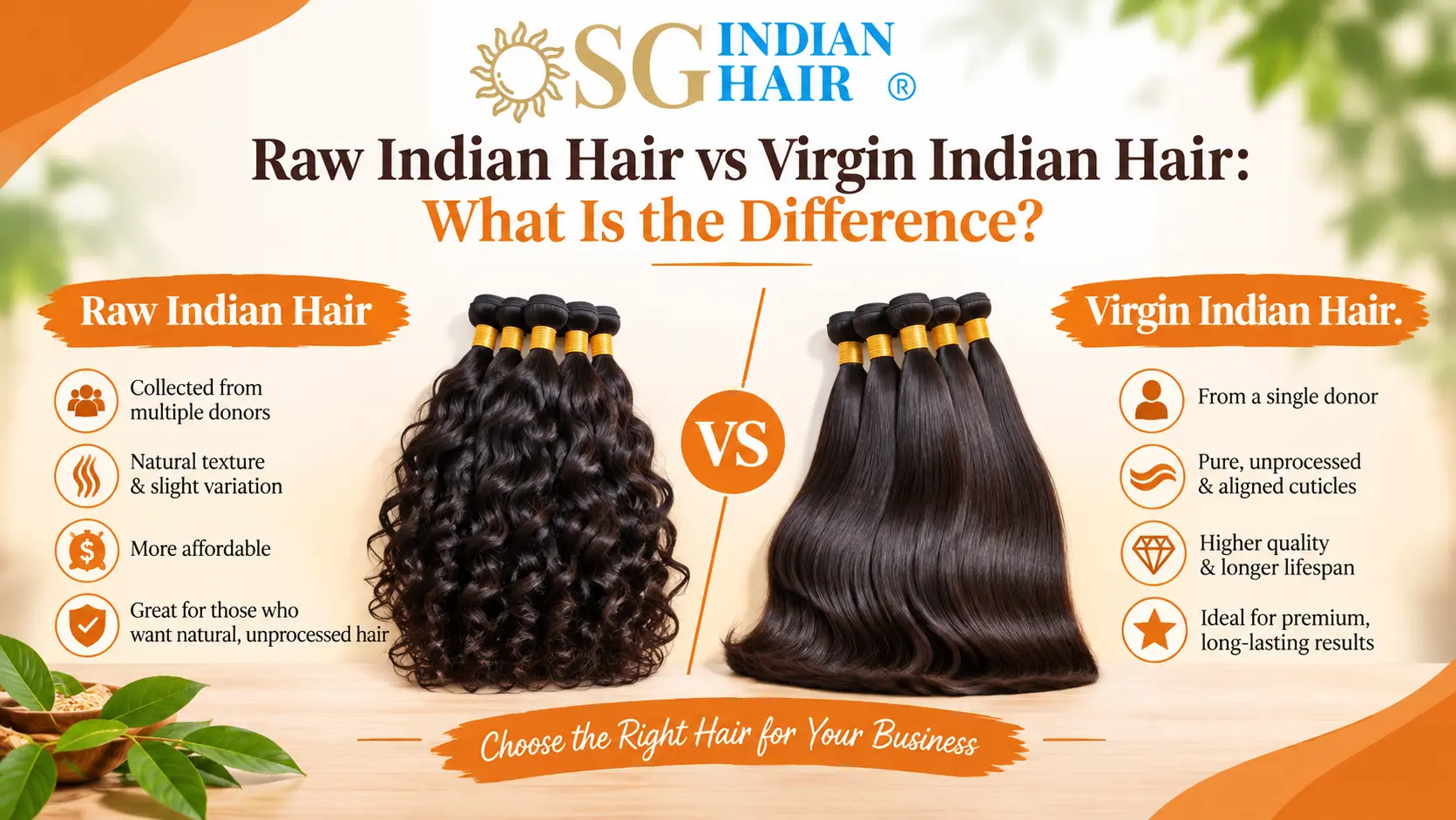
Indian raw hair is generally collected directly from donors and sold with little or no chemical processing. Because of this, the hair usually retains its natural characteristics, including its original texture, color, and natural pattern.
One of the main benefits of raw Indian hair is that the strands are often collected in a way that keeps the natural cuticle direction aligned. This helps the hair feel smoother, look more natural, and behave better when it is properly sourced and prepared.
Raw Indian hair may also have slight texture differences from one bundle to another. For example, one batch may have a soft wave, while another may be straighter or have a more defined natural wave. This natural variation is one of the key reasons many buyers prefer raw hair.
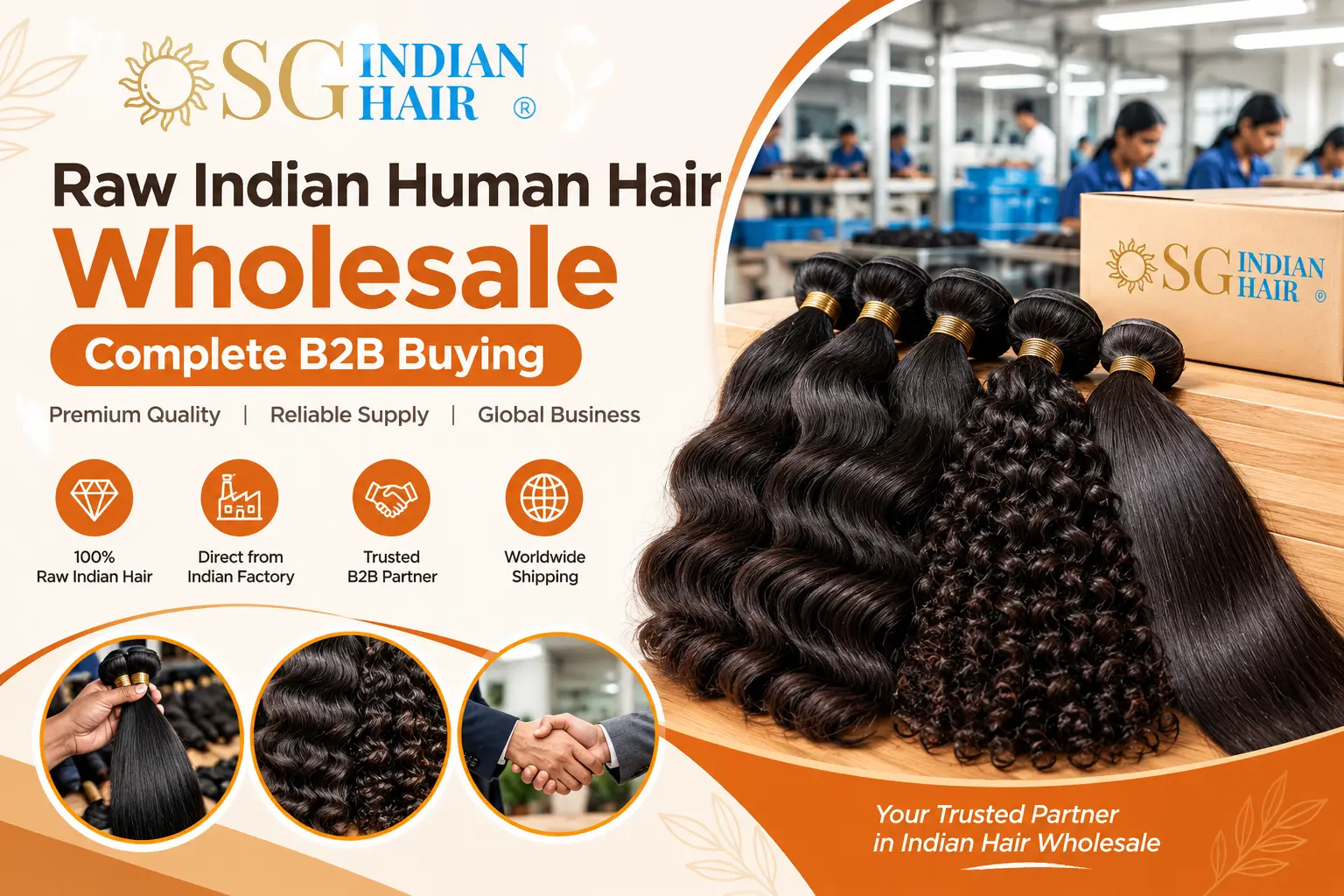
For customers who want a natural-looking hairstyle, this can be a major advantage. Raw hair does not always look perfectly identical from bundle to bundle, but this small variation can make it look more realistic, natural, and authentic. When buying raw Indian hair, choosing a reliable supplier is important because the quality, sourcing, and preparation of the hair can vary between vendors. Buyers looking for consistent quality can explore Raw Indian Human Hair Vendors Suppliers in India to learn more about available sourcing options.
What Is Virgin Indian Hair?
Virgin Indian hair is also natural human hair that has not been chemically treated before sale. However, the term “virgin” does not always explain exactly how the hair was collected or whether every strand came from the same donor.
In a raw hair vs virgin hair comparison, virgin hair may be mechanically processed, carefully sorted, cleaned, or arranged to provide a more uniform and consistent product. Depending on the supplier, virgin hair may also be available in different natural textures, lengths, and colors.
This means you should not assume that every product labeled as virgin hair has exactly the same quality or characteristics. The supplier’s sourcing and processing methods can make a big difference.
When buying virgin Indian hair, ask about its source, processing method, cuticle condition, donor collection, and whether the hair has been chemically altered. A reliable and experienced supplier should be able to explain these details clearly and provide accurate information about the hair before you place an order.
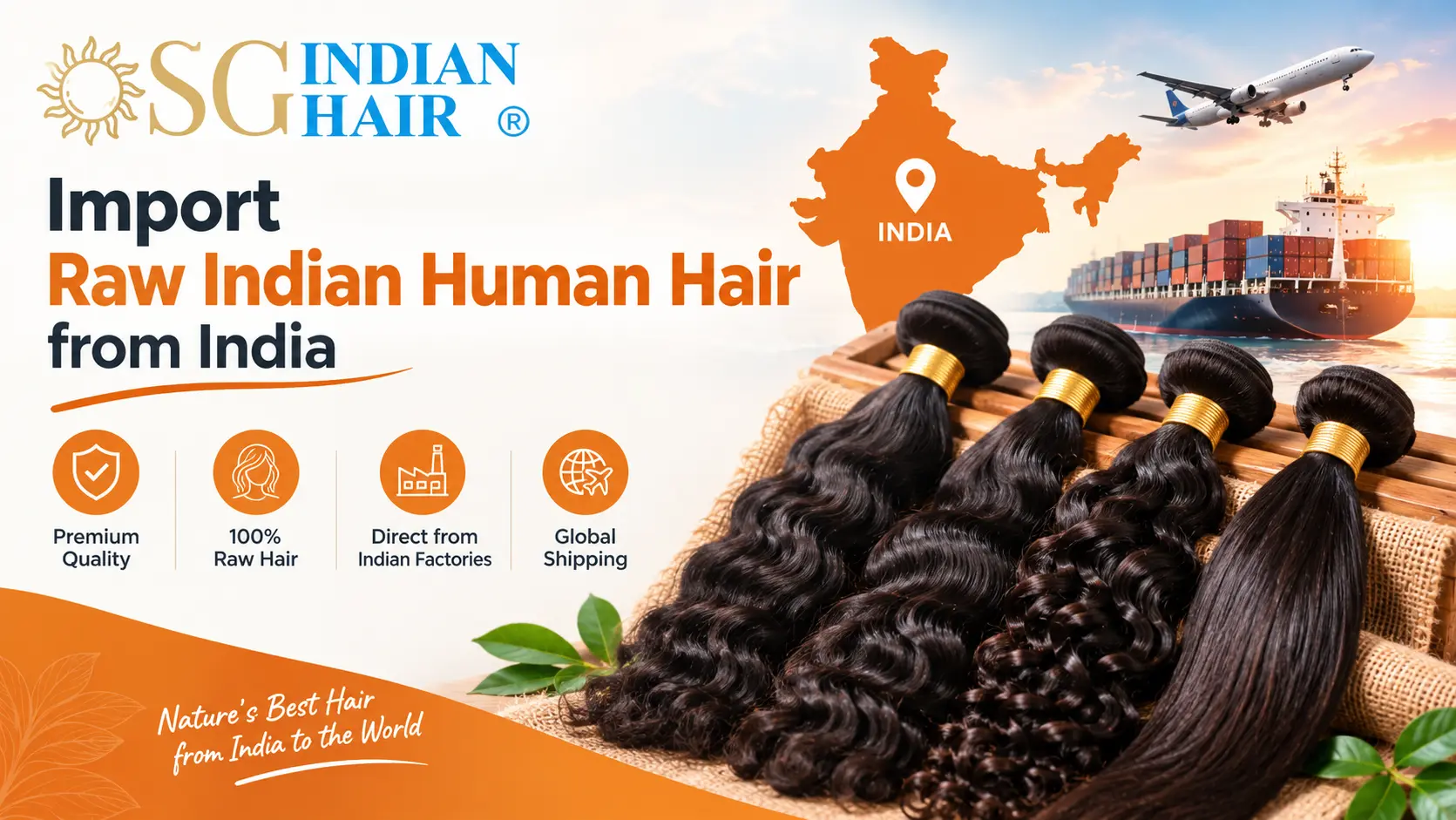
If you are also looking for reliable sourcing options and want to explore different types of Indian human hair available for bulk purchase, you can check Raw Indian Human Hair Vendors in India for more information.
Raw Indian Hair vs Virgin Indian Hair: Main Differences
The easiest way to understand the difference between raw Indian hair vs virgin Indian hair is to compare them based on their origin, processing, texture, appearance, and overall consistency.
Raw Indian hair usually has a more natural and varied appearance. Its texture can differ from bundle to bundle because the hair keeps more of its original characteristics. This natural variation can give raw Indian hair a unique and authentic look that many buyers prefer.
Virgin Indian hair can offer a more consistent appearance, especially when the hair has been carefully sorted, selected, and prepared. This makes it a practical choice for businesses that need multiple bundles with a similar texture, length, and overall look.
Another important difference between raw and virgin hair is how the product is prepared before reaching the customer. Raw Indian hair is generally associated with minimal processing and retains more of its natural qualities, while virgin Indian hair may involve more sorting, preparation, and alignment while still remaining chemically untreated. Understanding these differences can help buyers choose the right type of Indian human hair for their specific needs.
Feature | Raw Indian Hair | Virgin Indian Hair |
Chemical processing | Usually none | Usually none, but supplier practices vary |
Natural texture | Highly natural | Can be more consistent |
Texture variation | More common | Usually more controlled |
Appearance | Natural and unique | Smooth and uniform |
Customization | Excellent | Excellent |
Price | Often higher | Can vary widely |
Best for | Premium natural products | Wigs, extensions, and regular collections |
The table gives you a basic comparison, but the actual quality can vary greatly depending on the supplier, sourcing method, and overall product standards.
Indian Raw Hair vs Virgin Hair: Which Feels More Natural?
If your biggest concern is a natural appearance, the comparison between Indian raw hair vs virgin hair becomes even more interesting. Raw hair usually keeps more of the donor’s original characteristics, which can give it a unique and natural look with its own movement and texture. Instead of every bundle looking exactly the same, you may notice slight differences in wave pattern, thickness, length, or overall texture. These small variations can make raw hair look more natural and authentic.
If you are looking for hair with these natural characteristics, choosing a reliable raw Indian human hair suppliers in India can make a difference. A trusted supplier can help you find hair options based on texture, quality, length, and your specific product requirements.
Virgin hair can also look extremely natural and attractive. In fact, high-quality virgin hair can be an excellent choice when you want a clean, smooth, and consistent appearance. Its uniform texture can also make styling, matching, and creating multiple hair products easier.
For example, imagine creating five wigs for customers who all want a similar hairstyle. If consistency is important, virgin hair may make the job easier because the bundles can offer a more uniform look. On the other hand, if your customer wants a highly individual texture with natural variation and movement, raw hair may be the more appealing option. Understanding these differences can help you choose the right hair based on your customer’s needs, styling goals, and desired finish.
Is Raw Indian Hair Better Than Virgin Hair?
A common question buyers ask is, is raw Indian hair better than virgin hair? There is no single answer because the right choice depends on your needs, budget, and the type of hair you are looking for.
If your priority is maximum natural variation, minimal processing, original texture, and a premium hair product, raw Indian hair can be an excellent choice. It is often preferred by buyers who want a more natural look and feel.
If your priority is consistent texture, easy availability, styling options, and predictable results, high-quality virgin hair may be a more practical option. It can also be easier to source when you need similar lengths, textures, and patterns in larger quantities.
You should also remember that the hair label alone does not guarantee quality. A poorly sourced product can be disappointing even if it is marketed as raw or virgin hair. Before placing a large order, always check the supplier’s reputation, hair sourcing information, available samples, processing details, and customer feedback. A trusted raw Indian hair supplier should be able to provide clear information about the hair’s origin and quality.
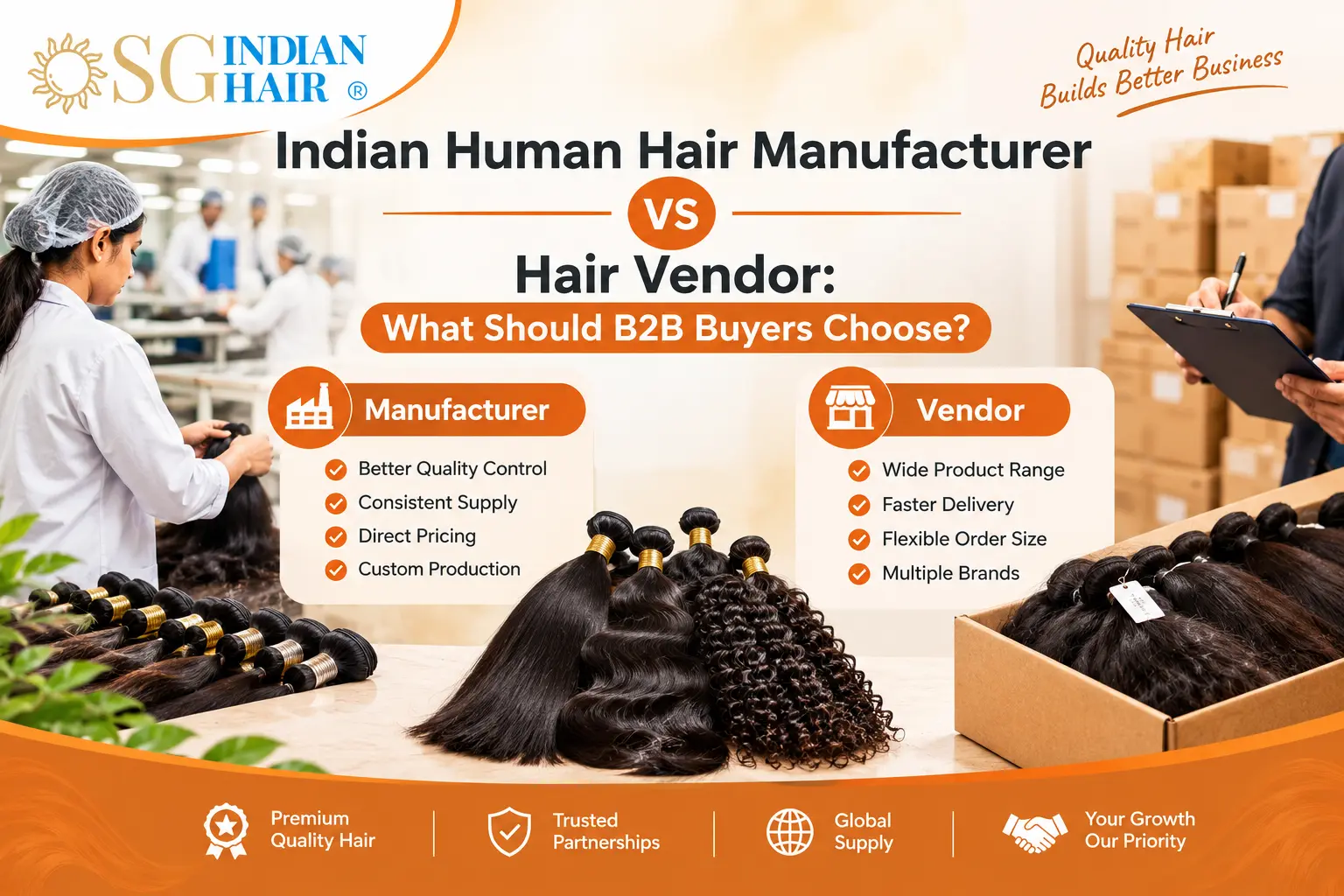
When you are looking for reliable sourcing options, it is also important to work with experienced raw Indian human hair manufacturers in India who can provide information about the hair quality, texture, and sourcing process. For buyers interested in different raw hair options, exploring specific products can also help when comparing textures and construction.
Raw Indian Hair vs Virgin Indian Hair for Wigs
When choosing between raw Indian hair vs virgin Indian hair for wigs, first think about the final style, texture, and overall look you want to create.
Raw Indian hair works well for premium wigs where natural texture, softness, and individuality are important. Since the hair can have natural variations in texture and appearance, every wig may have its own unique character and natural look.
Virgin Indian hair can be a good choice when you want multiple wigs to have a more similar appearance and consistent quality. This consistency can be especially useful for salons, wig brands, and beauty businesses that regularly create the same styles for their customers.
The best Indian hair for wigs and extensions is therefore not the same for every buyer. A boutique wig maker may prefer raw hair for its natural character, while a growing wholesale business may choose virgin hair for collections that require a more uniform look, texture, and finish.
Raw Hair vs Virgin Hair: What About Durability?
Both raw and virgin human hair can last a long time when they are genuinely high quality and properly maintained. However, the overall durability depends on more than just the product name or hair type. Frequent heat styling, bleaching, coloring, strong chemical treatments, rough brushing, and poor storage can reduce the lifespan of any human hair.
If you want your hair to last longer and maintain its natural look, use suitable hair-care products, avoid excessive heat, detangle gently, and store wigs and extensions properly when they are not in use. Regular care can help preserve the hair’s softness, shine, texture, and overall appearance.
This is especially important for businesses that sell raw or virgin human hair. When customers receive clear and useful care instructions along with their hair products, they are more likely to maintain the hair properly, extend its usable life, and enjoy a better overall experience.
How to Choose the Right Indian Hair for Your Needs
Before buying Indian raw hair, take a moment to consider what matters most to you. If you are a wig maker looking for unique, natural-looking textures, raw hair may be a great choice. On the other hand, if you run a salon and need consistent bundles for regular styling, virgin hair may be easier to work with.
You should also consider your budget, required hair lengths, texture, color, order quantity, and intended use before making a final decision. Most importantly, speak directly with the supplier and ask clear questions. Find out whether the hair has been chemically processed, how it was collected, whether the cuticles are properly aligned, and how the texture was created.
A reliable Indian raw hair supplier should provide clear answers to these questions without making vague promises. Taking the time to check these details can help you choose quality hair with greater confidence and avoid problems after placing your order.
Final Thoughts on Raw Indian Hair vs Virgin Indian Hair
Understanding raw Indian hair vs virgin Indian hair becomes much easier when you look beyond marketing labels. Raw hair is generally valued for its natural characteristics and minimal processing, while virgin hair can provide a more consistent and prepared product.
Neither option is automatically the winner. The right choice depends on your customer, hairstyle, budget, and business requirements.
If you are buying hair for wigs or extensions, focus on verified sourcing and real hair quality rather than choosing a product simply because the label sounds premium. Once you understand the raw hair vs virgin hair differences, you can compare suppliers more confidently and choose hair that matches your exact needs.
Frequently Asked Questions
1. What is the main difference between raw and virgin hair?
The main difference between raw and virgin hair is usually related to how the hair is collected and prepared. Raw hair is generally minimally processed and retains more of its natural characteristics, while virgin hair can be sorted or mechanically prepared for a more consistent result.
2. Is raw Indian hair better than virgin hair for natural-looking wigs?
Whether Indian raw hair is better depends on your preference. Raw hair can provide more natural variation and individuality, making it a popular choice for premium wigs. However, high-quality virgin hair can also provide a very natural appearance with greater consistency.
3. How can I choose between Indian raw hair vs virgin hair?
When comparing Indian raw hair vs virgin hair, consider your desired texture, budget, styling requirements, durability expectations, and the type of wig or extension you are making. Also ask the supplier about sourcing and processing before buying.
4. What should I check when buying the best Indian hair for wigs and extensions?
When looking for the Best Indian hair for wigs and extensions, check the hair's source, texture, cuticle condition, processing history, length, consistency, and supplier reputation. Request samples whenever possible before placing a large wholesale order.
5. Does raw hair last longer than virgin hair?
In the raw hair vs virgin hair comparison, neither type automatically lasts longer simply because of its name. Genuine quality, proper sourcing, maintenance, heat use, coloring, bleaching, and everyday handling all have a major effect on how long human hair remains in good condition.