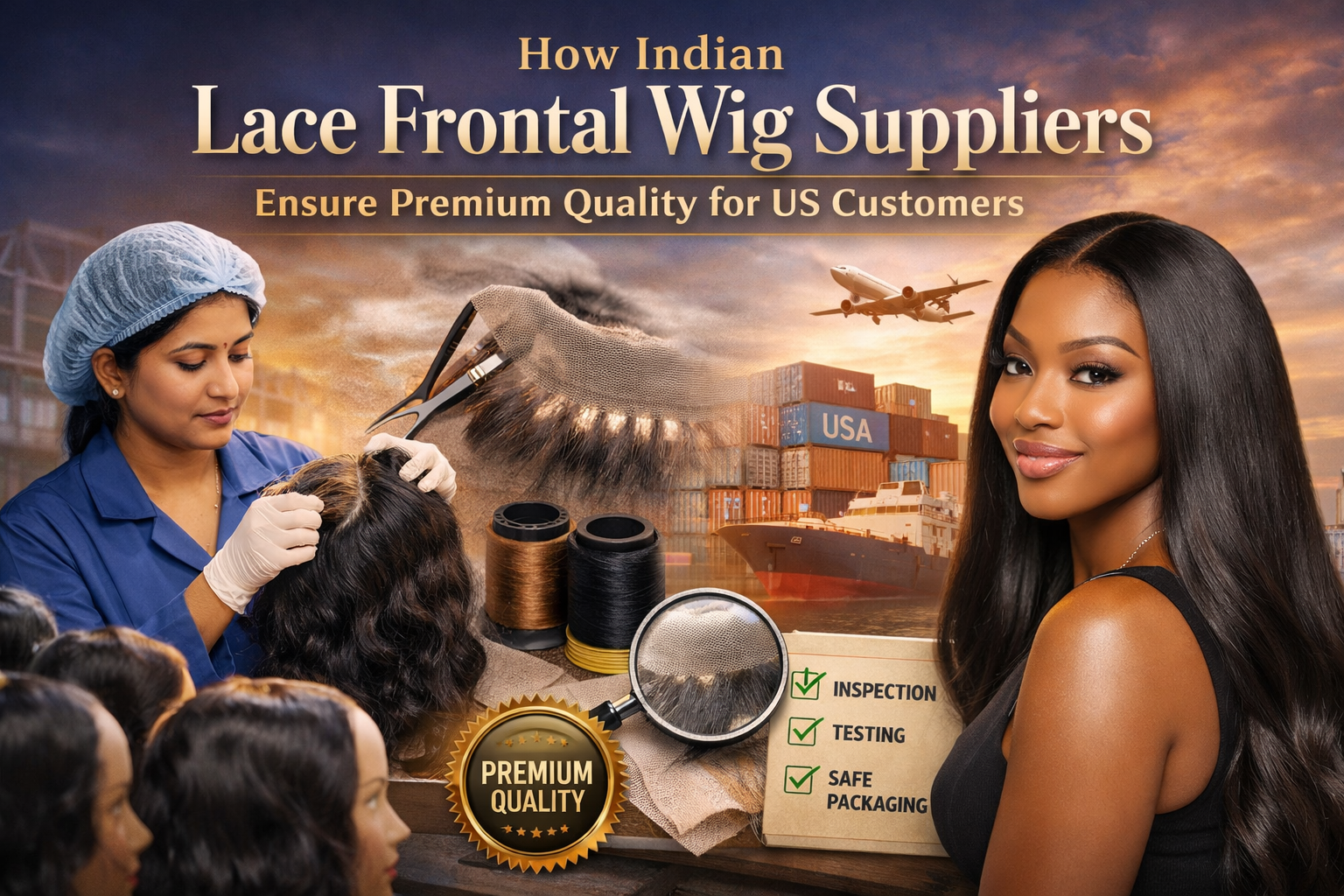
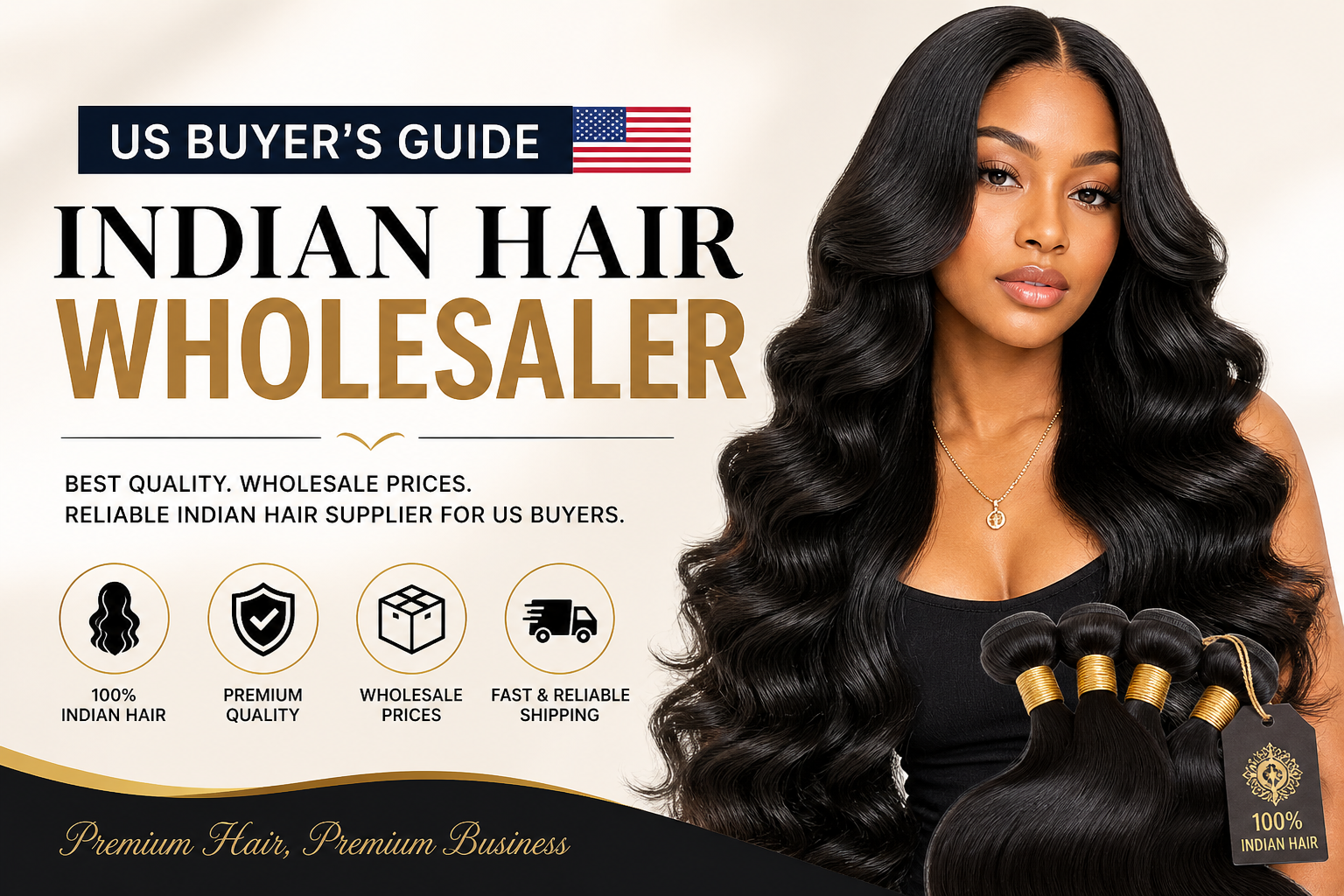
US Buyer’s Guide to Importing from an Indian Hair Wholesaler
If you are looking to expand your hair business in the US, finding the right Indian Hair Wholesaler can literally turn your growth story around. Indian hair has made a name for itself in the international beauty industry for its natural look, strength, and versatility over the past ten years. Industry reports suggest that India is one of the biggest exporters of human hair in the world, catering to big markets such as the US, Europe, and Africa. However, this reputation in the international market is not just a fluke. It has been earned through quality sourcing, temple hair collection, and processing expertise.
However, sourcing hair from India is not as simple as finding a vendor and placing an order. It requires some research, waiting, and wise decision-making. This article will help you navigate through what to do and what to avoid.
Why US Buyers Prefer Indian Hair
Indian hair is also compatible with various textures of hair, especially for those who want a natural look. It is famous for:
Aligned cuticles
Natural luster without heavy chemical treatment
Ability to hold curls and styles
Longer life with proper maintenance
Most salon owners in the US prefer buying bulk Indian hair products because quality has a direct effect on customer retention. Customers feel the difference, and they return. And in this business, customers are everything.
Understanding the Types of Hair Available
Before you go to a supplier, you have to know what kind of hair your market requires.
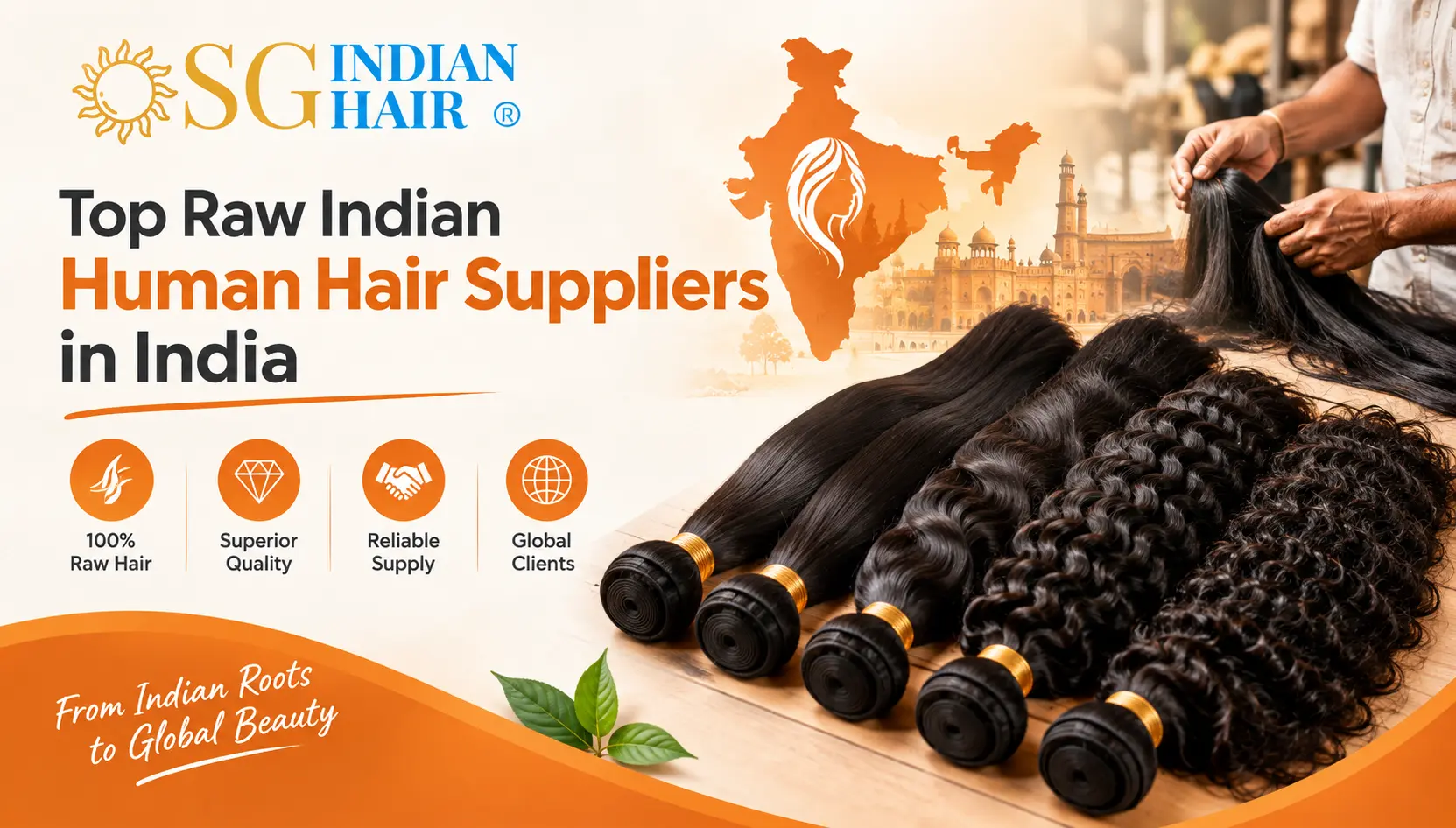
Raw Hair
Raw hair is unprocessed and comes directly from the donor. It has never been chemically processed or steam-processed. If your target market is high-end customers, then a raw hair wholesaler can help your business appear high-end and genuine.
Virgin Hair
Virgin hair comes from a single donor and has been lightly processed for cleaning. It still retains its natural qualities but may have been slightly perfected for uniformity.
Remy Hair
Remy hair is hair that has all its cuticles facing in the same direction. This makes it less prone to tangling and longer-lasting. It is commonly used for extensions and wigs in the US market.
Understanding what category your market falls into will save you from overpaying for something your market may not even need.
How to Identify a Reliable Supplier
Not all exporters are transparent in their dealings. Therefore, how do you separate the genuine from the dubious ones?
1. Evaluate Export Experience
Inquire about their export experience to the US. Seasoned exporters know the ins and outs of customs, packaging requirements, and regulations.
2. Request Samples
Under no circumstances should you forgo the sampling process. A reputable wholesaler of hair extensions will not hesitate to offer paid samples. Inspect:
Wash, condition, and style the sample before committing to large quantities.
3. Inquire About Sourcing
Sourcing is a significant consideration. Many high-end purchasers favor temple collected hair because of its authenticity. An honest hair extensions wholesaler will not hesitate to discuss their sourcing procedure.
Pricing and Minimum Order Quantities
The pricing is based on the grade of hair, length, weight, and level of processing. Temple hair and raw hair are normally more expensive than steam-processed hair.
US buyers are always in search of bulk indian hair to get a better price per unit. But price should never be the only criterion. Prices that are too low are often indicative of a combination of hair or silicone-coated hair.
While negotiating:
Inquire about multi-level pricing
Inquire about the minimum order quantity
Inquire about custom packaging
Inquire about payment options
US buyers can expect most Indian suppliers to accept wire transfer payments. Some Indian suppliers may accept secure payment options for the first transaction.
Shipping and Customs for US Importers
Delivery usually takes 5 to 10 business days via express delivery services such as DHL or FedEx. Larger shipments may be sent via air cargo.
Key considerations for US consumers:
Importation of human hair into the US is normally permitted. However, it is always best to check the current customs regulations. A supplier with regular US clients will be well-versed in the procedures.
Quality Control Before Large Orders
Even if your initial order is a success, it is still important to keep quality control for each and every shipment.
If you are planning to sell high-end salon products, it may be beneficial to team up with a professional wholesaler clip in hair extensions supplier.
Creating a Long Term Partnership
Importing is not an one-off transaction. It is a relationship.
Communication is key to building trust. Share your brand vision. Talk about your target market. Make your supplier understand if you are creating a luxury brand or a volume-driven business.
Many successful US hair brands began small. They tested 10 or 20 bundles before expanding into regular monthly imports. Expansion requires time. But once you have the right partner, your supply chain is your competitive advantage.
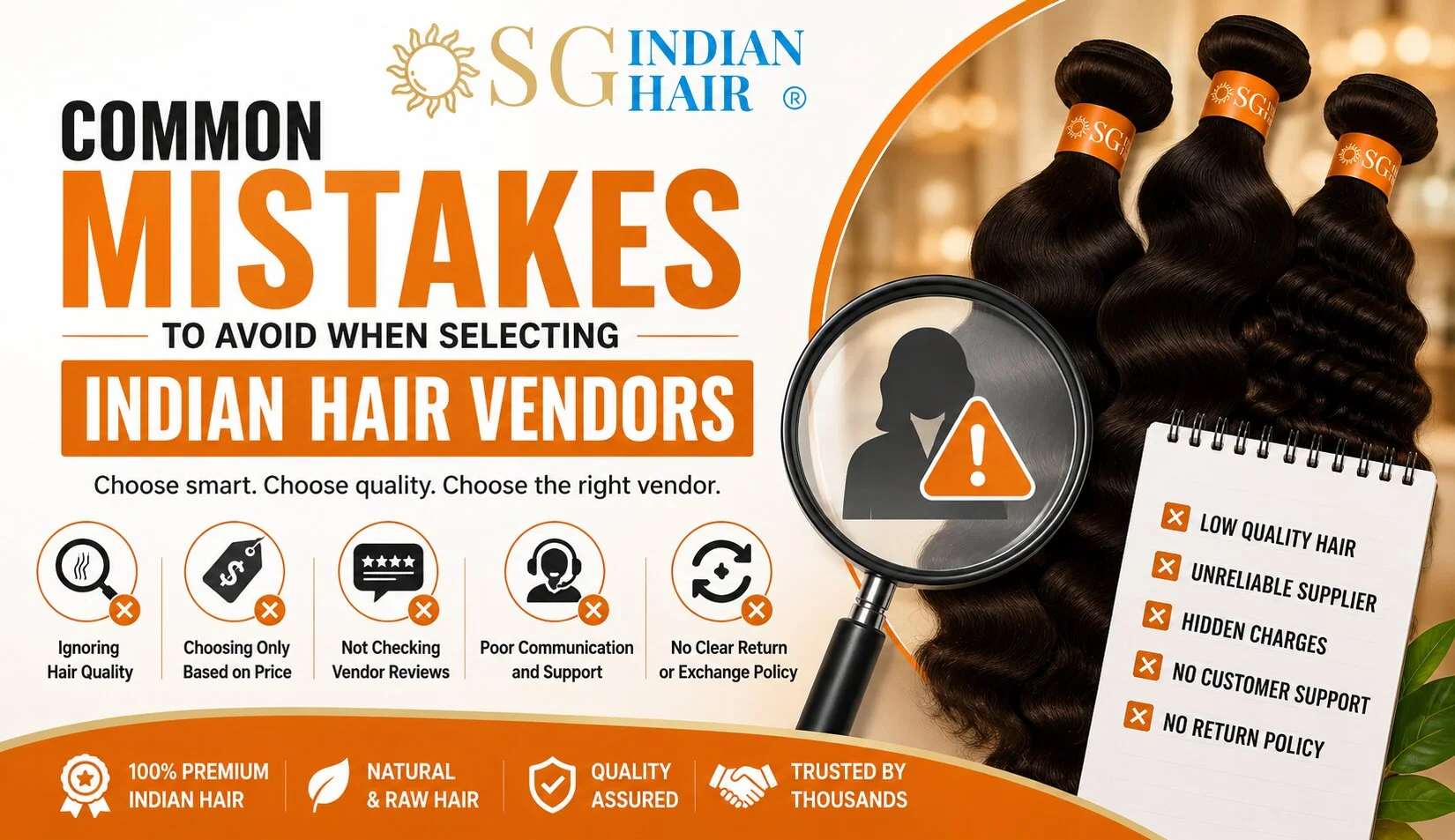
Red Flags to Be Aware Of
Lack of physical address and business registration
Failure to offer video evidence of the inventory
Unusually low prices
Poor communication or slow response times
Lack of information regarding return or replacement policy
Trust your instincts. If it doesn’t feel right, it’s likely not.
Creating a Long Term Partnership
The US hair extension market is steadily expanding, thanks to the influence of beauty bloggers, the trend of protective styles, and the increasing demand for natural-looking hair extensions. Today, consumers are better informed. They read reviews. They compare textures. They demand transparency.
This is why supplier selection is more than a sourcing issue. It impacts your brand reputation.
With a reliable supplier, marketing becomes easier because the product sells itself.
Final Thoughts
The trade of Indian hair to the US can be a lucrative venture if done with caution. The demand for good quality hair extensions is on the increase, and Indian hair is one of the most in-demand types due to its natural qualities and the fact that it can last longer.
Selecting the best Indian Hair Vendors is not an easy task and is a matter of personal judgment. It is essential to consider authenticity, quality, ethical practices, communication, and scalability. Do not be in a rush to make big sales without testing the products.
Ultimately, your supplier is a representation of your brand. When you work with someone who values quality and professionalism as much as you do, you are not just stocking up. You are building the trust of every customer who selects your brand.
FAQs
1. How can I check the authenticity of Indian Hair Vendors?
Request raw hair videos shot in natural light, request samples, and check the details of procurement, such as single donor or temple hair.
2. Why is raw Indian hair preferred in the USA market?
Raw Indian hair is unprocessed, long lasting, and blends naturally with multiple hair textures, making it highly demanded.
3. What should I check before placing a bulk order?
Always order samples first, test for shedding and tangling, and confirm consistency in texture and length.





.jpg)